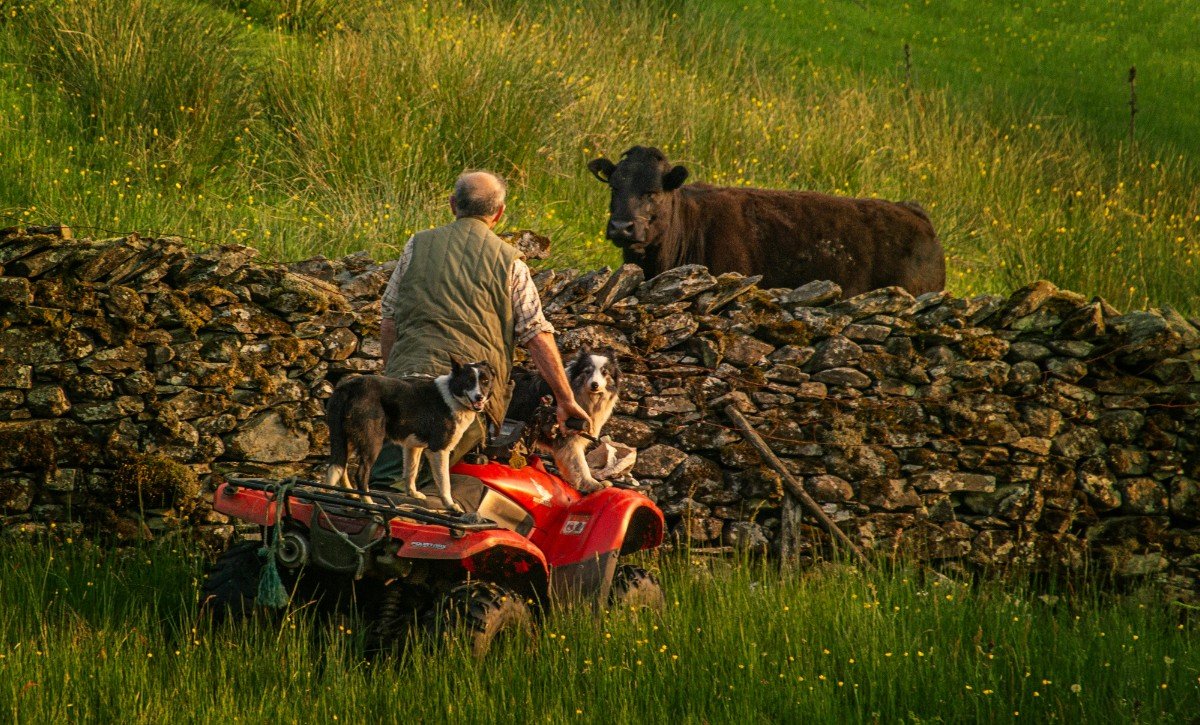
A farm fire moves fast. Dry straw, diesel, dust and big open buildings give a small spark all the fuel it needs, and on a remote Cumbrian holding the fire engine has a long way to come. Agricultural fire safety is really just sensible prevention, and the quiet weeks before harvest are the best time to get your grain stores and sheds in order.
Where farm fires usually start
Most farm fires start in a handful of familiar places, and once you know them you can stay ahead of them.
Grain stores are a problem during and after harvest. Grain that goes in too damp, or at the wrong moisture content, can heat up on its own. Fine dust in an enclosed store adds an explosion risk, and dryers, augers and conveyors all bring heat and sparks into a building full of combustible material.
Machinery sheds carry their own dangers. A combine or tractor brought in straight from the field is often caked in dry crop residue. Put that next to a fuel store, a battery charger or a bit of welding, and one spark can take hold quickly. Built-up dust and oily rags left near anything hot are a regular cause of farm fires too.
Late summer brings grain drying, combines running long hours and tired staff together, which makes it a higher-risk period for farm fires. Get your checks done before harvest starts, not halfway through it.
Where Cumbrian farms tend to fall short
Working across Cumbria, from lowland farms around Carlisle to hill farms on the edge of the Lake District, we see the same gaps time and again. Many farm buildings have never had a proper fire check. Others were looked at years ago and never updated, even after new equipment went in or a building started being used differently. Fire detection is often missing altogether in older stone barns and steel sheds, and where alarms do exist they may not have been tested in years.
Ways out are another weak spot. Farm buildings tend to have big openings rather than marked fire exits, and those openings often end up blocked by machinery, bales or stored kit. If a fire breaks out in a grain store with one usable door, and that door is blocked, anyone inside is in real trouble.
A practical pre-harvest checklist
You do not need to be a fire expert to make a farm safer. Run through this before the combines come out.
Before harvest operations begin
- Check every building where people work, including stores you only use at harvest, and note anything that could start or spread a fire.
- Test your fire alarms and detection. If key buildings have none, get advice on what cover you need.
- Make sure extinguishers are in date, easy to reach and right for the risk. Machinery areas need foam or CO2, not just water.
- Clear the ways out. Move anything blocking doors and make exits obvious to seasonal workers who do not know the layout.
- Brief everyone, including harvest help, on what to do if there is a fire and where the extinguishers and meeting point are.
- Look over the wiring in drying and storage buildings. Dusty spaces need equipment built for those conditions.
Why Cumbria is a special case
Cumbria is mostly pastoral and upland, and a lot of farms are remote, so it can take longer for the fire service to reach you. A fire that might be caught quickly in a Penrith yard could level an isolated fell barn before help arrives. That makes prevention and early warning matter even more out here.
The county also has plenty of diversified farms with holiday lets, farm shops and school visits. The moment the public is on your land, your responsibility for keeping people safe from fire grows, so those buildings deserve the same attention as the rest.
What the law expects
If you have a building where people work, you are expected to look at the fire risks, take sensible steps to reduce them, and keep your firefighting equipment in good working order. The accepted way to do that with extinguishers is a yearly service by a competent person. If yours have not been touched in over a year, they may let you down when it counts.
Agricultural fire safety: your questions answered
Do farm buildings really need a fire check?
Yes. If people work in a building, it needs a fire check, and that covers grain stores, machinery sheds, workshops, milking parlours and the farm office. On most farms the owner or tenant is the person responsible for sorting it.
What extinguishers do I need in a machinery shed?
Sheds with diesel, oil and electrics usually need foam extinguishers for fuel fires and CO2 for electrical fires. Water on its own is not enough, and they should be serviced once a year so they actually work when you reach for them.
How do I cut the risk of a grain store fire?
Dry grain to the right moisture before it goes in, keep electrics maintained and suited to dusty conditions, fit proper detection, and stay on top of housekeeping so dust does not build up. A fire check on the store itself will tell you exactly what it needs.
Sources
- Health and Safety Executive (HSE), agriculture guidance on fire and explosion risks on farms (hse.gov.uk).